Take a stroll in almost any packed shopping mall, city center, or airport, and you will notice the same thing: the static signs are gone. In their places are the latest and greatest LED Video Walls. These walls fill entire facades with graphics that move, flash, and change in real time. These displays are nearly impossible to ignore. Commercial LED Video Walls have become some of the best advertising tools for businesses that want their ads to be straight to the point and simple. Are they worth the cost? This guide breaks down what LED Video Walls are used for, how they compare to the old ways of advertising, and what you need to pay attention to when looking for the one that works best for your business.
What Is a Commercial LED Video Wall?
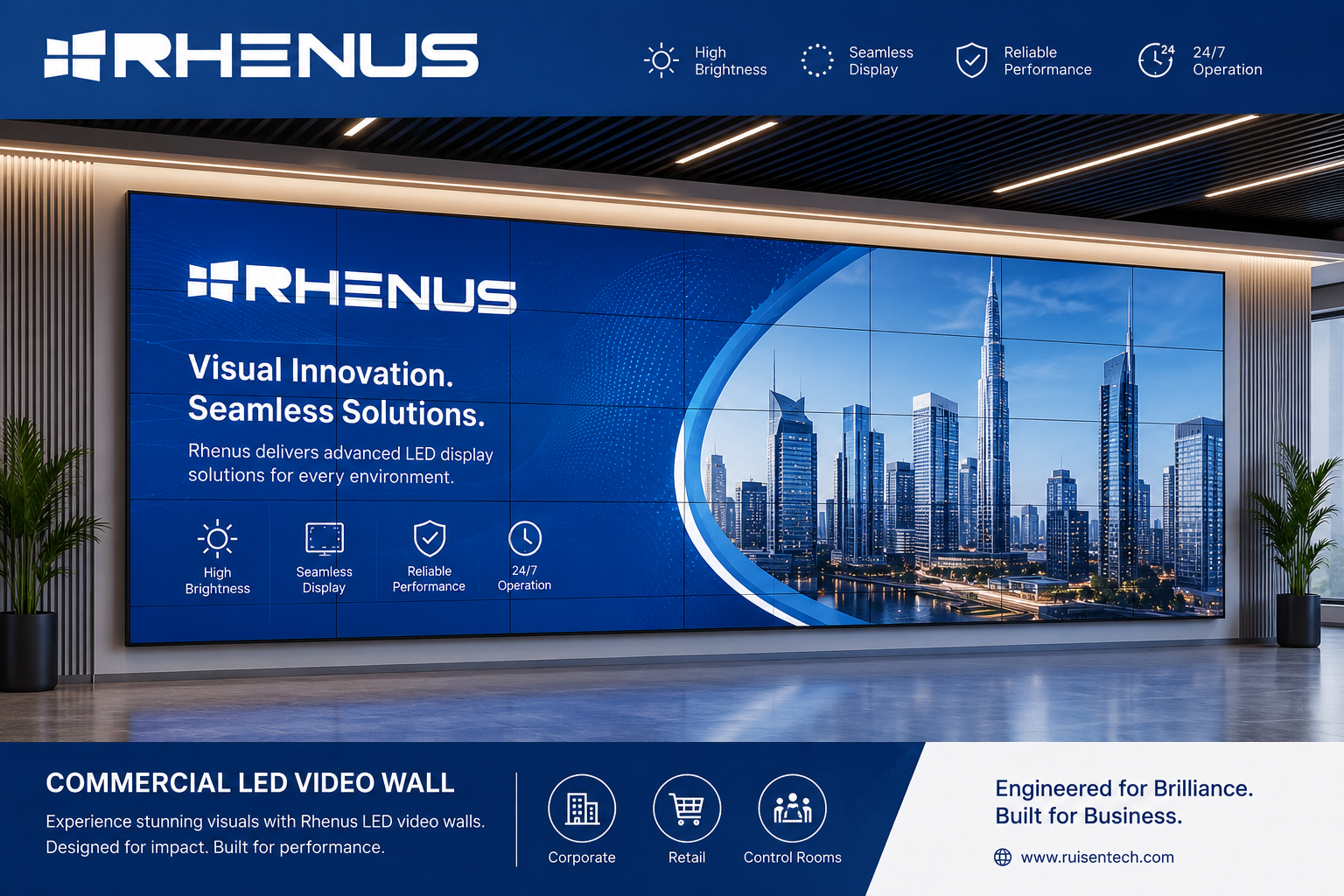
A commercial LED video wall is big display systems built from lots of LED panels placed next to each other as one unified screen. Unlike regular TVs or digital signs that you can buy as a regular consumer, these screens are made to be used continuously in commercial places. They can run for 16 to 24 hours a day without losing quality. They come in many different ways. They can be flat or curved, be used indoors or outdoors, and be either fixed or modular. Important specs to know are pixel pitch (this is the gap between LED clusters that determines the resolution at distance), brightness (nits), and refresh rate. Outdoor screens need to be at least 5,000 nits to be readable in the sun. Indoor displays usually can work at much lower brightness levels.
Incredible Visuals
Possibly the best thing about an LED video wall is the scale and range of the visual effects. Printed media cannot flush the colors in so many variations. an LED video wall, wherever it is, has more of a presence than any static signage. Dynamic digital displays in retail have been proven to improve customer dwell time as well as how well they remember the advertisement. When people stop to look, you can really show your people what your brand is about.
Dynamic Content That Works 24/7
Unlike printed ads, LED video walls can do instant updates. A breakfast special can be shown at 8am. Then, at noon, the wall can show lunch specials, then dinner specials by 6pm. The best part is it can all be done without printing ads or switching anything up. A retailer can adapt to a flash sale, a news update, or a sudden weather change quickly. Modern content management systems even allow a user to update and schedule a campaign right from their smartphone or laptop. Some even allow for real time updates if they’re hooked up to a live data feed, making advertising an ongoing, important communication tool.
Analyzing the Costs: Initial Investment vs. Long-Term Savings
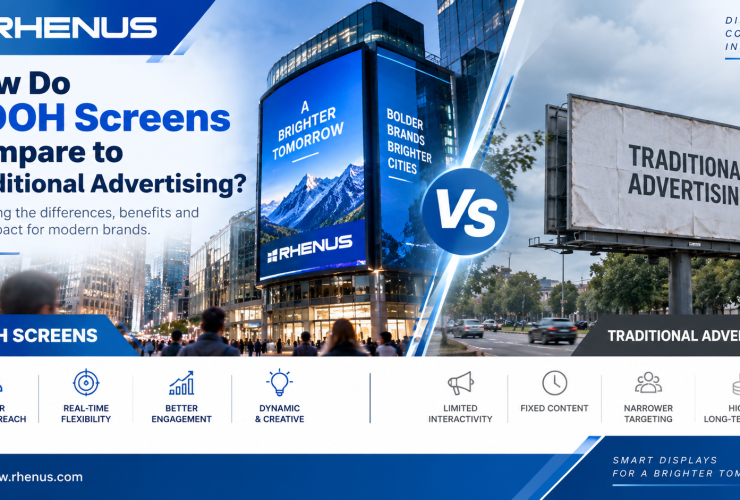
An undeniable difference exists in the costs of a commercial LED video wall and traditional prints. While Wall LED technology requires a heftier initial capital, the costs become considerably lower over time. Promotional inserts in printed advertisements, delivered and set up in different locations every couple of days, can quickly add up to thousands. LED panels eliminate these expenses completely. LEDs are also energy efficient and utilize less electrical power than older display technologies and compared to their peers, their cost of ownership goes down over time. There are companies that further rent out their advertising time to other companies, which may give these companies further financial returns.
Where LED Video Walls Are Most Valuable
Commercial LED Video Walls thrive in areas with high traffic and visibility where people are likely to stay for a while. Examples include: Retail and shopping centers where displays attract people and show offers. Airports and transit hubs offer advertising opportunities and have a desirable audience. Stadiums and entertainment venues have displays for live events and advertising. Corporate lobbies and conference spaces show positive perception to clients, partners, and employees. Restaurants, hotels, and hospitality venues have displays showing menus, offers, and content, improving the experience of guests.
Considerations for Selecting an LED Video Wall
When purchasing an LED video wall, several features distinguish a quality product. The first of these is whether your display will be used indoors or outdoors. Outdoor screens will be exposed to the elements and will need a specific IP rating, and will always need higher brightness to deal with the sun. This is a feature that indoor screens do not need because, additionally, they will have better resolution and better viewing angle. One possible option is a video wall with a more effortless content management system that allows your team to manage the system independently, eliminating the need for support. You should look for systems that allow remote content, manage schedules, and set displays easily. Flexibility and growth of the system is just as important. Many video wall manufacturers will allow you to add more components and grow with your organization. The commitment to customer service is another important feature to look out for. Consider the cost of your video wall throughout the entire life cycle, as the warranty, response to maintenance, and replacement parts will have an impact on the customer service and product that you’ll receive after purchasing your video wall.
Conclusion
The advancements in commercial LED video walls have changed the landscape of the advertising industry’s possibilities. They provide a massive display that combines the flexibility of digital media and can serve different advertising campaigns from one day to the next. This flexibility and ease of use makes it the ideal advertising tool for all businesses, especially those that operate in large scale competitive and high visibility markets. If you are interested in purchasing an LED video wall to promote your brand and advertising campaigns, a good first step is to evaluate your available space, audience, and content strategies. A clearly defined goal will help you better identify the most appropriate solution.